- کارگاه فروش انفجاری 3
- نقش مشاور در سازمان
- نقش فروشگاه های اینترنتی
- چر ا مدیران از آموزش سازمان پیشتیانی نمیکنند؟
- اهمیت آسیبشناسی فرایند آموزش در سازمان
- جایگاه منتورینگ در سازمان
- نقش یادگیری سازمانی در سازمان
- نقش خودکارامدی در عملکرد افراد
- رهبری تحولآفرین یا رهبران تبادلی، کدامیک بهترند؟
- حضور کارآفرین برتر سال 95 استان تهران در برنامه مهمان خانه
خالق و نخستین برگزار کننده سمیتئاتر

آخرین مطالب
امکانات وب
BMI Industry View
Iran is set to ramp up petrochemicals exports following the ending of inteational sanctions in January. The effects are likely to be global with a large amount of basic chemicals entering the market, leading to downward pressure on prices. However, the country still faces an uphill struggle with inward investment due to infrastructural and regulatory hurdles and will remain behind its Arabian Gulf competitors.
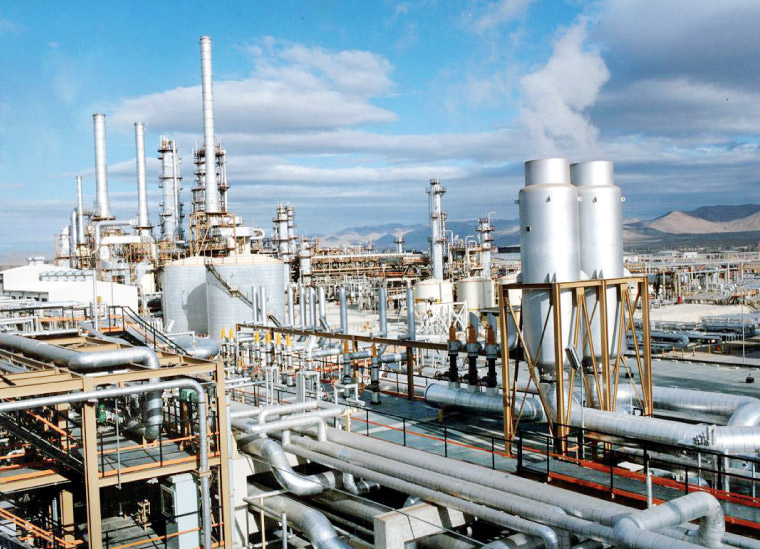
The country's petrochemicals production capacity was around 60mn toes per aum (tpa) in 2015, but the shortage of natural gas as feedstock, ageing production units and the problem of sanctions, which reduced exports, have caused petrochemical complexes to work at lower capacities. Iran's petrochemical output grew 10% year-on-year to 44.4mn toes in FY2014/15, implying capacity utilisation of 74%. Iran also increased petrochemical production by up to 2mn toes to about 46mn toes in 2015, but mostly by increasing feedstock and not launching new petrochemical plants.
Projects that had been put on hold as a result of sanctions are likely to be revived and there is a probability that capacities will be greater. For 2020, BMI forecasts ethylene capacity at 12.3mn tpa with 8mn tpa of polyethylene (PE) capacity. Iran is the focus of intensive interest from investors in the petrochemicals industry, particularly European majors, but there is still an element of risk-aversion in spite of the hype.
Additionally, economic structural problems, a slowdown in key export markets and the falling price of naphtha feedstock are deterrents for involvement in the ethane-fed Iranian petrochemicals sector. However, potential rewards are high with considerable Iranian upstream resources and a large domestic market that investors caot afford to ignore.
Plaed projects would raise Iran's petrochemicals capacity three-fold to 180mn tpa by 2022, although it is uncertain whether this target will be reached. BMI expects the next five years to see the completion of the Olefins 11 and 12 project, which will have capacities of 2.0mn tpa and 1.2mn tpa respectively. Meanwhile, the USD12bn petrochemical hub at Chabahar - the Makran Petrochemical Plan - will add 1.2mn tpa of
ethylene and 900,000tpa of PE.
■ Iran is faced with a number of exteal constraints to export growth. Lower petrochemicals prices will limit the amount of export revenue growth Iran will receive from petrochemicals. Low naphtha prices are also a setback for ethane-based production in Iran and its main export market, China, is exhibiting a downtu.
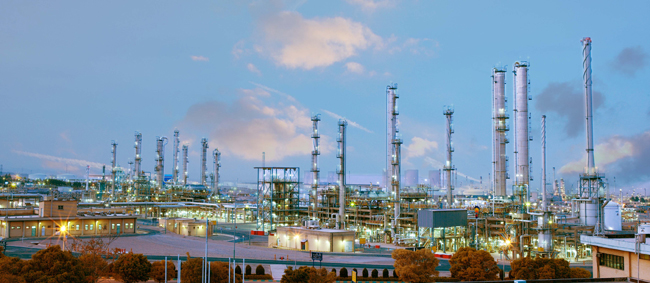
■ We forecast economic growth of 3-6% leading to a boost across a range of industrial ectors. Oil and gas will gain the most attention, but petrochemicals are also very well placed as the provider of raw material for growth industries, such as packaging and automotive sectors. Pent-up demand, a youthful population, a skilled workforce, and a large hydrocarbon and consumer story all make Iran one of the most positive and relatively well-balanced growth stories in the Middle East over the next decade.
• This quarter, Iran has seen a 0.5 point increase in its overall petrochemicals Risk/Reward Index (RRI) score to 63.4 due to an 5.0 points increase in its market risk score. This comes following the lifting of sanctions, which will boost exports and encourage inward investment in the petrochemicals industry.
However, significant obstacles to investment remain and further reform to investment regulations is necessary, alongside infrastructural improvements, if Iran is to match its Arabian Gulf neighbours. It remains in third place behind the UAE in the regional RRI rankings, but has increased its lead over Qatar.
گزارش تحلیلی بیزینس مانیتور- صنعت پتروشیمی در ایران- سه ماهه دوم 2016
ما را در سایت خالق و نخستین برگزار کننده سمیتئاتر دنبال میکنید
برچسب: گزارش بیزینس مانیتور,گزارش های بیزنس مانیتور,گزارش های تحلیلی بیزینس مانیتور,دانلود گزارش بیزینس مانیتور, نویسنده: بازدید: 176